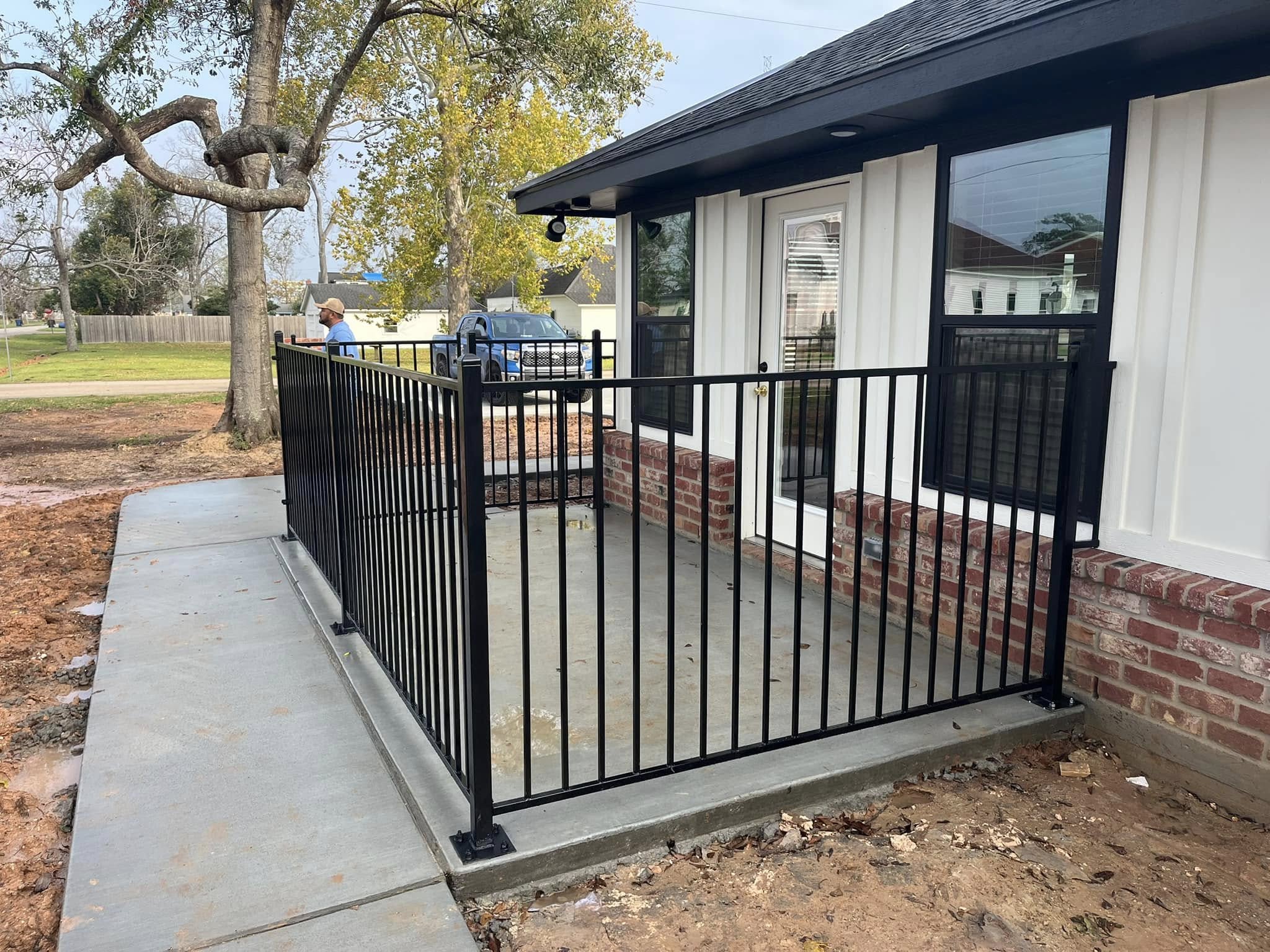
Navigating Local Regulations: How to Ensure Your Fence is Compliant Jul 10, 2026
First, understand that different regions have different regulations governing fence construction. These rules are usually established by local zoning boards or homeowners associations and can vary significantly in terms of height restrictions, materials allowed, and proximity to property lines. It is crucial to familiarize yourself with these specific requirements early in your planning stage. Often, a quick visit to your local zoning office or a look at your municipality's website can provide you with the necessary information.
Before breaking ground, always secure the proper permits. Many areas require permits for fence installation, and failing to obtain one can result in fines or even legal action. This step involves submitting a detailed plan of your proposed fence, including its dimensions, materials, and exact location on your property. The benefit of securing a permit is twofold; it ensures your fence plan meets all local codes, and it also provides you with a legal document confirming your fence's compliance, which can be useful if disputes arise later.
Align your fence project with any neighborhood association rules. Homeowners associations (HOAs) often have additional guidelines beyond those of local governments. These can include restrictions on fence color, style, and even the type of wood or metal you use. Consult your HOA's regulations or speak directly with a board member to ensure your plans align with community standards. Compliance with both municipal and HOA rules helps prevent future conflicts and maintains neighborhood harmony.
Another essential factor is property line identification. Misjudging property lines can lead to serious disputes with neighbors and potential legal challenges. Hiring a professional surveyor to demarcate the exact location of your property lines is a worthwhile investment. Accurate property line identification ensures the fence is erected on your land, preventing encroachment on neighbors' property and adhering to setback regulations – the required distance your fence must be set back from your property line.
Consider the purpose and design of your fence as it relates to compliance. Certain uses, such as privacy fences, might have additional specifications. Height and material choices often depend on whether you're installing a security fence, a barrier for children and pets, or merely an ornamental boundary. Understanding these elements ensures the fence serves its intended purpose while staying within legal guidelines.
Finally, consult with a reputable fencing company like Aly Fence. Experienced professionals can offer insight into local regulations and help secure permits more efficiently. Our knowledgeable team can provide advice on suitable materials and designs that comply with local codes, making the process smoother and less stressful for you.
In conclusion, while navigating local fence regulations requires diligence, the process is manageable with the right preparation and professional help. By understanding local ordinances, obtaining necessary permits, and consulting professionals, your fence project can proceed smoothly, ensuring your peace of mind and adding value and beauty to your property. Trust Aly Fence to guide you in building a compliant, enduring, and attractive fence that meets both your needs and legal requirements.
/filters:no_upscale()/filters:format(webp)/media/ed4ce513-7058-47f1-9a60-1a9a7e197846.jpg)
/filters:no_upscale()/filters:format(webp)/media/9c5c650c-6d3a-46da-9101-397266eaa4d6.jpg)